Air of Design Thinking: iPhone 17 Real Selling Point - Ultimez Blog
Apple launched its much-awaited iPhone 17. As expected, the world is buzzing about faster chips, improved cameras, and battery life. But beyond the technical headlines, there’s a deeper question to ask: Why do millions line up, year after year, for devices that look almost the same to the untrained eye?
The answer isn’t just innovation, it’s design thinking.
When most people hear the word design, they imagine aesthetics, shapes, colors, and how sleek a product looks. But design thinking is different. It’s a problem-solving approach that blends psychology, usability, culture, and technology to create experiences that feel natural, inevitable, and deeply human.
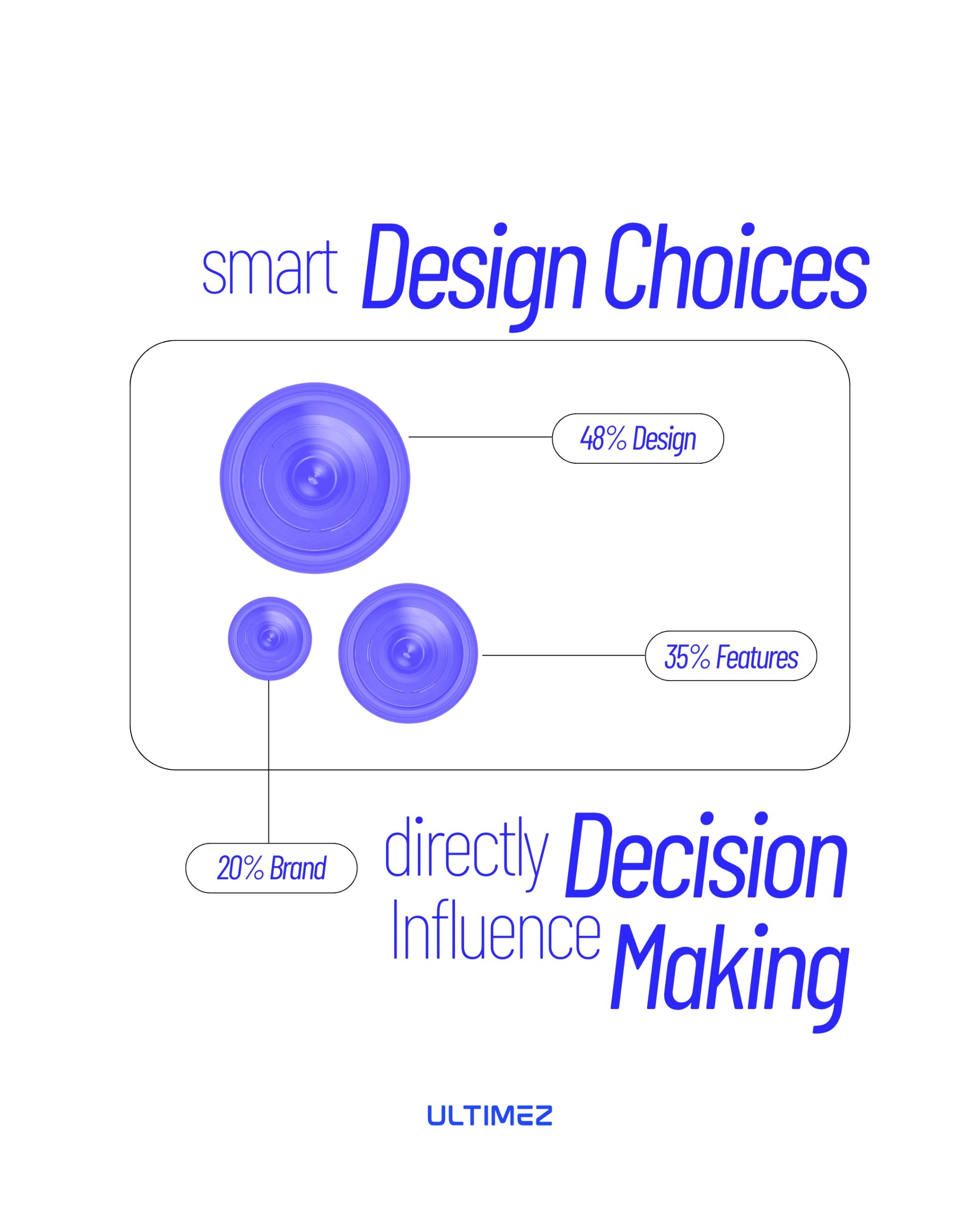
That’s why iPhone 17 is a great example. It’s not that the features are unheard of, it’s that the entire experience is designed around human needs and behaviours. The aluminium body isn’t just sustainable, it feels different in the hand. The curves aren’t just pretty, they change grip, comfort, and even subconscious trust. These choices go beyond style; they architect behaviour.
One overlooked aspect of design thinking is its ability to turn objects into emotional anchors. The iPhone 17 comes in softer contours and expressive colors, not simply to stand out in a shop window, but because design has become a language of identity.
People don’t just buy phones; they buy symbols of self-expression. The choice of color, the feel of the material, the animation of the interface, all encode social meaning. This is why some products transcend functionality and become cultural icons. Design is the invisible currency of status, belonging, and aspiration.
The iPhone 17 also reveals another dimension of design thinking: foresight. Good design doesn’t just respond to what people ask for; it predicts what they’ll need.
Features like better heat management and longer battery life aren’t marketed as flashy “wow” moments. Yet they directly address unspoken habits: gaming on the go, recording content all day, or living off a single charge while travelling. This is designed as intuition, solving problems users don’t even articulate.
Ironically, the most powerful designs are the ones that go unnoticed. Think of how Face ID just works, or how gestures feel fluid on iOS. With the iPhone 17, the same paradox continues: the less you notice the design, the more natural it feels.
Invisible design doesn’t scream for attention, it integrates seamlessly into life. This subtlety is what makes users feel empowered rather than overwhelmed by technology.
The point isn’t to praise Apple, it’s to highlight a shift in how design has become the ultimate differentiator. Specs and features can be copied; prices can be matched. But design thinking—rooted in empathy, foresight, and psychology, creates loyalty that no discount can buy.
For innovators, startups, and creators, the lesson is clear:
The iPhone 17 is just today’s example. Tomorrow, it could be a car, a wearable, or even a coffee machine. The brand that wins won’t be the one with the most features—it will be the one that designs the most human experience.
In a world where technology is everywhere, design thinking is what makes the difference between a product and a phenomenon.
The iPhone 17 shows us that the future of selling isn’t about louder marketing or bigger specs. It’s about design that whispers to human needs, anticipates desires, and embeds itself into culture.
That’s why the next big selling point for any brand won’t just be innovation—it will be design thinking as strategy, identity, and silent persuasion.
Google Ads is changing faster than ever and this time, it’s not just another small…
Ever skipped an ad in 2 seconds… but then opened YouTube to watch someone use…
An AI coding agent, built using Cursor and powered by Anthropic’s flagship Claude ai model,…
Ever wondered why Google AI overview results only feature top companies & not you? It’s…
Marketing today just feels… different, doesn’t it? One moment you’re genuinely impressed by a super…
For two decades, WordPress has been the undisputed king, powering over 43% of the internet.…